Fort Knox Military Defense Attorney
Legal Expertise from a JAG OfficerWhat runs through Fort Knox today is the Army’s personnel machinery: promotions, evaluations, and records for the entire force move through Human Resources Command here, ROTC cadets are commissioned or dismissed through Cadet Command’s oversight, and Army recruiters answer to Recruiting Command’s headquarters on post. None of that makes the legal exposure any smaller. A records error, a cadet disenrollment, or a recruiter investigation can end a career as completely as anything that happens in the field.
Nelson Robles helped build Corrao & Robles Law as a founding partner after serving as a Judge Advocate General’s Corps officer in the U.S. Army. His military service now anchors a civilian practice partially built around soldiers, veterans, and military families connected to Fort Knox.
Trusted Guidance from a Decorated Member of the Military
A records error, a contested evaluation, or a cadet disenrollment doesn’t move through a courtroom, but it still runs on procedures, deadlines, and appeal windows that matter just as much as anything in the Rules for Courts-Martial. Nelson Robles built his understanding of that system as an active-duty Army JAG Major, completing the Judge Advocate Officer Course, the Military Trial Advocacy Course, and the Complex Victim Unit Course, and earning the Army Commendation Medal and the Joint Service Commendation Medal — experience that applies to Fort Knox’s administrative fights as much as its criminal ones.
Legal Matters Attorney Robles Handles at Fort Knox
Human Resources Command, Cadet Command, and Recruiting Command all operate out of Fort Knox, and a large share of the people connected to the post work in personnel, training oversight, or recruiting roles rather than a combat unit. That mission shapes the kinds of cases Attorney Robles sees.
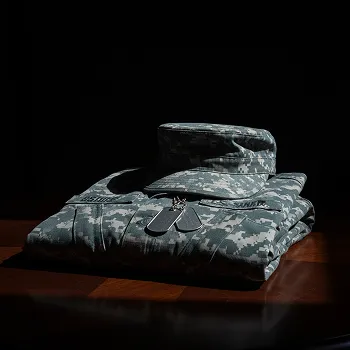
A commissioning source doesn’t guarantee a commission. Cadet Command oversees Army ROTC nationwide from Fort Knox, and a cadet facing an honor code violation, a fitness standard dispute tied to alleged misconduct, or a scholarship termination can lose years of coursework and a planned career through a single administrative decision. Attorney Robles represents ROTC cadets facing disenrollment, honor boards, or scholarship revocation.

Recruiting Command’s headquarters presence at Fort Knox means recruiter misconduct cases often have a direct administrative connection back to the post. These cases carry real career and criminal exposure, and command scrutiny tends to be immediate. Attorney Robles represents recruiters facing investigation or discipline connected to their assignment.

Army CID investigates misconduct connected to Fort Knox the same way it would at any other installation, and a file can be well underway before the service member involved is ever approached. Attorney Robles’s advice doesn’t change based on the nature of the allegation: no statement, no interview, and no explanation without a lawyer present.
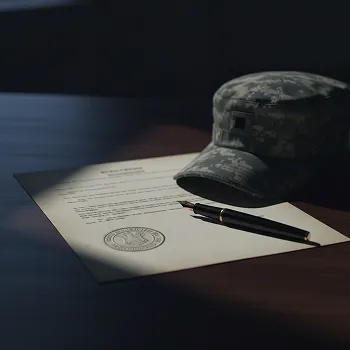
Non-judicial punishment reaches every corner of Fort Knox’s mission, from cadets and recruiters to the permanent-party staff running HRC’s operations. A finding can still cost rank, pay, and standing on a future evaluation or assignment. Attorney Robles reviews the underlying allegation, weighs accepting NJP against demanding a court-martial, and prepares the stronger case either way.
A general court-martial conviction carries a dishonorable discharge, forfeiture of pay, and years of confinement whether the case originates in an ROTC detachment, a recruiting station, or a Fort Knox headquarters building. Attorney Robles represents clients from the Article 32 hearing through trial, and, when warranted, through an appeal to the Army Court of Criminal Appeals or the U.S. Court of Appeals for the Armed Forces.

Sexual assault and related allegations receive command-level priority at Fort Knox, and reputational damage can begin well before a case is resolved. Attorney Robles conducts his own investigation and holds the government to its burden rather than accepting the initial account.
A career connected to Fort Knox can also unravel through the very personnel system the post is built around. Attorney Robles represents clients in:
- Evaluation report rebuttals and promotion board matters connected to HRC
- Involuntary separation and administrative discharge boards
- Security clearance revocations and DOHA hearings
- Record correction petitions (ABCMR)
- GOMOR and letter of reprimand responses
- AWOL and desertion allegations
- VA disability appeals
- USERRA reemployment disputes
The Paperwork Has Deadlines, Too
HRC’s personnel actions run on their own review cycles, and a promotion board, an evaluation report, or a records-correction request comes with a filing window that doesn’t bend for a pending legal matter. A cadet contesting disenrollment or a recruiter contesting an investigation faces a similarly short runway. An Article 15 rebuttal or a clearance appeal still moves on a schedule measured in days. Getting a lawyer involved as soon as an issue surfaces is usually what keeps the most options open, administrative or otherwise.
Frequently Asked Questions
Serving Fort Knox’s Military Community
Attorney Robles represents soldiers, ROTC cadets, recruiters, veterans, and military families connected to Fort Knox throughout Radcliff and Elizabethtown, Kentucky, as well as the greater Louisville area, and service members who have since transferred to installations elsewhere.