

Fort Jackson Military Defense Attorney
The Army’s Biggest Training Post Comes With a Wide Range of Legal ExposureThe volume of soldiers at Fort Jackson produces a wider range of legal matters than many other Army installations — not only from trainees adjusting to a new system of discipline, but from the drill sergeants and cadre responsible for running it, too.
Nelson Robles co-founded Corrao & Robles Law after gaining experience serving as a Judge Advocate General’s Corps officer in the U.S. Army. He represents trainees, permanent-party soldiers, drill sergeants, veterans, and families connected to Fort Jackson.
JAG Expertise at Your Side
A trainee a few weeks into Basic Combat Training and a drill sergeant with a decade of service face entirely different kinds of legal exposure at Fort Jackson, but both need a lawyer who actually understands military justice, not just cites it. Attorney Robles built that understanding as an active-duty Army JAG Major, completing the Judge Advocate Officer Course, the Military Trial Advocacy Course, and the Complex Victim Unit Course, and earning the Army Commendation Medal and the Joint Service Commendation Medal.
Cases Attorney Robles Handles at Fort Jackson
Fort Jackson runs almost entirely on Basic Combat Training and Advanced Individual Training, supported by the Drill Sergeant Academy and the Soldier Support Institute. That structure creates two distinct client bases — recruits still finding their footing, and the noncommissioned officers and cadre training them — each facing its own kind of exposure.
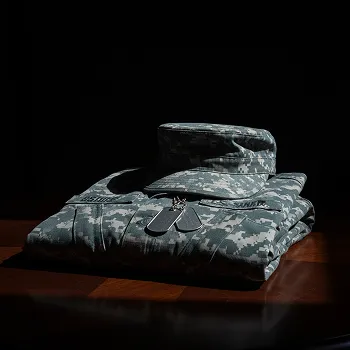
Basic Combat Training washes recruits out for reasons that have nothing to do with combat readiness, a positive drug test, a fraudulent enlistment discovered late, a medical condition that surfaces under the stress of training, or conduct a drill sergeant decides doesn’t belong in the Army. An entry-level separation can follow a recruit for years, even though it happens in the first weeks of a career. Attorney Robles represents trainees facing entry-level separation boards, medical and fitness discharges, and Article 15 actions during Basic Combat Training or Advanced Individual Training.

Fort Jackson’s command has made trainee-cadre boundaries a visible priority in recent years, and that emphasis cuts in a specific direction: an accusation against a drill sergeant or instructor now moves fast, and often publicly, sometimes before the facts are fully developed. Attorney Robles represents drill sergeants and permanent-party cadres facing allegations of improper relationships, abuse of authority, or misconduct connected to their training role, holding investigators to the same standard of proof that applies to any other accused service member.

Army CID investigates both trainee and cadre misconduct at Fort Jackson, and a file can be well underway before anyone involved realizes it. Attorney Robles’s advice doesn’t change based on rank or role: no statement, no interview, and no explanation without a lawyer present.
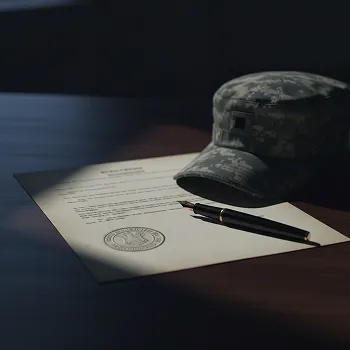
Non-judicial punishment moves through Fort Jackson quickly, whether it’s directed at a recruit still learning the system or a noncommissioned officer with years of service. A finding can still cost rank, pay, and standing on a future evaluation or assignment. Attorney Robles reviews the underlying allegation, weighs accepting NJP against demanding a court-martial, and prepares the stronger case either way.
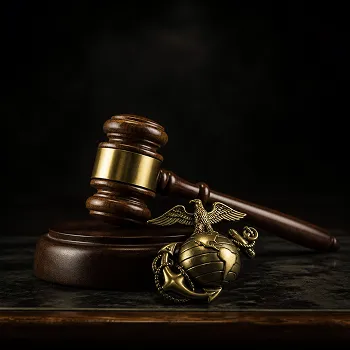
A general court-martial conviction carries a dishonorable discharge, forfeiture of pay, and years of confinement, whether the case originates in a training company or a headquarters office. Attorney Robles represents clients from the Article 32 hearing through trial, and, when warranted, through an appeal to the Army Court of Criminal Appeals or the U.S. Court of Appeals for the Armed Forces.

Sexual assault and abusive sexual contact allegations receive command-level priority at Fort Jackson, particularly given the installation’s focus on trainee safety, and reputational harm can begin well before a case is resolved. Attorney Robles conducts his own investigation and holds the government to its burden rather than accepting the initial account.

Plenty of career risk at Fort Jackson never reaches a courtroom. Attorney Robles also represents permanent-party soldiers and cadre in:
- Involuntary separation and administrative discharge boards
- Security clearance revocations and DOHA hearings
- Record correction petitions (ABCMR)
- Evaluation report rebuttals
- GOMOR and letter of reprimand responses
- AWOL and desertion allegations
- VA disability appeals
- USERRA reemployment disputes
Basic Training Doesn’t Pause for a Pending Case
A trainee facing separation can graduate, ship to Advanced Individual Training, or wash out entirely before an appeal is even heard, and a drill sergeant facing an investigation can be reassigned while it’s still pending. An Article 15 rebuttal, a separation board response, or a clearance appeal still comes with a response window measured in days. Getting a lawyer involved as soon as an issue surfaces is usually what keeps the most options open.
Frequently Asked Questions
Serving Fort Jackson’s Military Community
Attorney Robles represents trainees, drill sergeants, permanent-party soldiers, veterans, and military families connected to Fort Jackson throughout the Columbia, South Carolina area, including Cayce, West Columbia, Forest Acres, and Lexington, as well as trainees who have since shipped to Advanced Individual Training or other installations.