
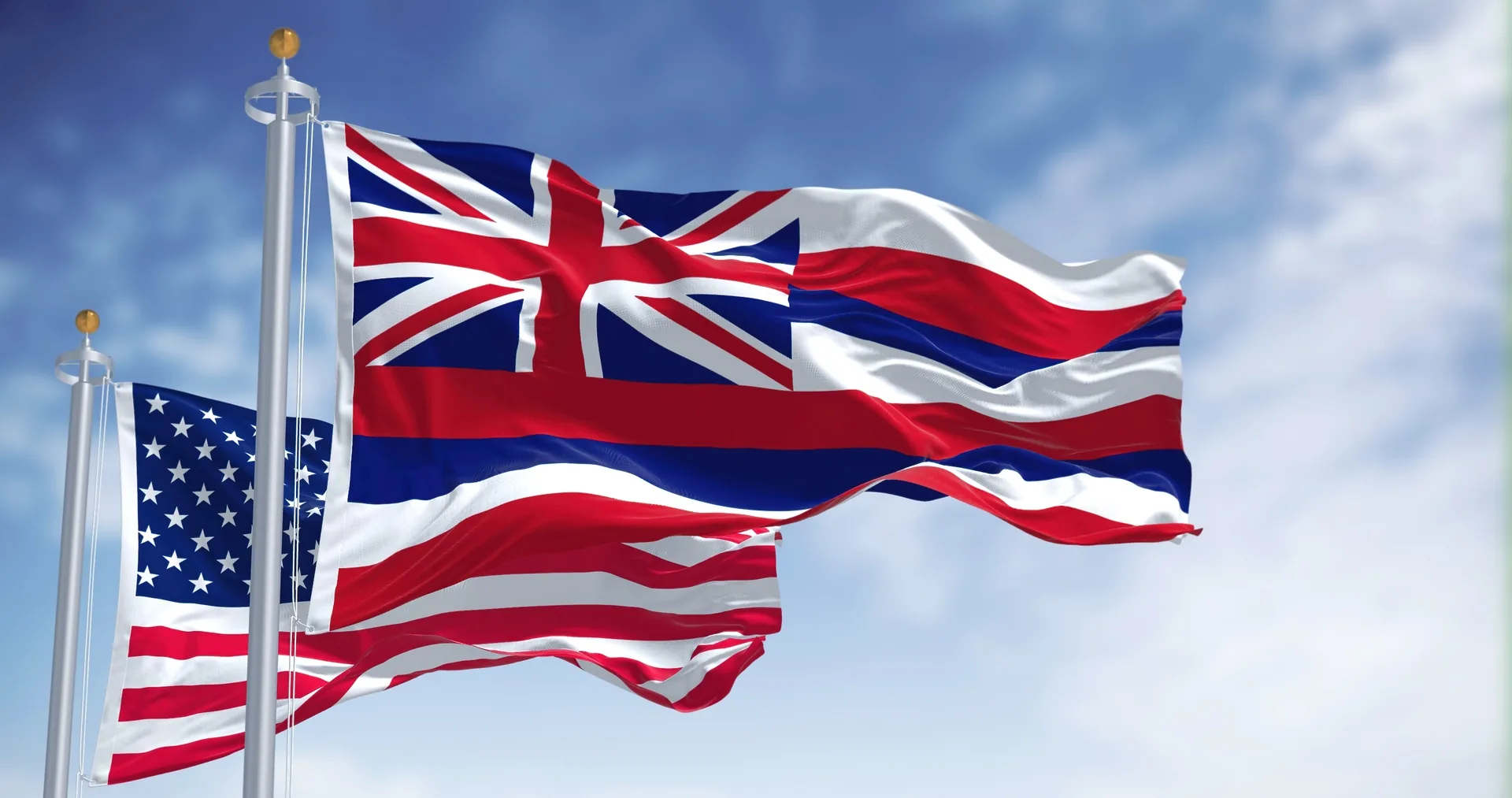
Schofield Barracks & Joint Base Pearl Harbor-Hickam Military Defense Attorney
Nelson Robles Defends Service Members Across Oahu’s Military CommunitySchofield Barracks trains soldiers. Joint Base Pearl Harbor-Hickam berths ships and launches aircraft. Together, the two installations put tens of thousands of Army, Navy, and Air Force personnel within reach of the same military justice system — and the same risks that come with it.
Nelson Robles founded Corrao & Robles Law after serving as a Judge Advocate General’s Corps officer in the U.S. Army, and that background now shapes how he represents soldiers, sailors, airmen, and veterans connected to Oahu’s military installations, whatever branch they wear the uniform of.
Real Military Justice Experience, Not Just Familiarity With It
Plenty of attorneys can cite the Uniform Code of Military Justice. Fewer have watched an investigation take shape, sat across from a commander weighing whether to prefer charges, or prepared a panel presentation from the inside. Nelson Robles spent years as an active-duty Army JAG Major doing exactly that, completing the Judge Advocate Officer Course, the Military Trial Advocacy Course, and the Complex Victim Unit Course along the way, and earning the Army Commendation Medal and the Joint Service Commendation Medal. That record applies in full regardless of which branch the client serves in — the UCMJ doesn’t change at the flight line or the pier.
Where Attorney Robles Steps In for Oahu’s Service Members
The 25th Infantry Division runs a demanding training cycle out of Schofield Barracks, while Joint Base Pearl Harbor-Hickam keeps a fleet and a flightline operating around the clock. Both produce the kind of legal exposure Attorney Robles handles every day.

Three different investigative agencies work Oahu’s installations depending on the branch involved, but the advice from Attorney Robles doesn’t change based on which one is asking: don’t give a statement, sign anything, or explain yourself before counsel is involved.
It’s often pitched as the quick way to close out a problem, but an Article 15 finding can strip rank and pay and leave a mark that resurfaces at the next promotion or reenlistment review. Attorney Robles walks clients through accepting NJP versus contesting it at a court-martial, then prepares accordingly.
A general court-martial conviction can carry a dishonorable discharge, total forfeiture of pay, and years of confinement, with special and summary courts-martial imposing lesser but still serious penalties. Attorney Robles represents clients from the Article 32 hearing through trial, and, when appropriate, through an appeal before the applicable service Court of Criminal Appeals or the U.S. Court of Appeals for the Armed Forces.

Sexual assault allegations draw command attention and resource commitment almost immediately, and reputational harm can begin well before any finding is made. Attorney Robles conducts an independent investigation and holds the government to its burden rather than accepting the accusation at face value.
A career can unravel through a board or a file just as easily as through a courtroom. Attorney Robles also represents Oahu service members in:
- Involuntary separation and administrative discharge boards
- Reenlistment or re-commissioning bar challenges
- Security clearance revocations and DOHA hearings
- Record correction petitions (ABCMR, AFBCMR, BCNR)
- Evaluation report rebuttals
- GOMOR and letter of reprimand responses
- AWOL and desertion allegations
- VA disability appeals
- USERRA reemployment disputes
Distance Changes the Calculus
Oahu is roughly 2,500 miles from the mainland, and that isolation shapes a military case in ways a mainland installation never has to account for — witnesses reassigned to other Pacific commands become harder to reach, records requests take longer to move, and the response window on an Article 15 rebuttal or a clearance appeal doesn’t stretch just because the evidence has to travel farther. Getting a lawyer involved early, before speaking to investigators, matters even more when geography is already working against you.
Frequently Asked Questions
Serving Military Families Across Oahu
Attorney Robles represents soldiers, sailors, airmen, veterans, and military families connected to Schofield Barracks and Joint Base Pearl Harbor-Hickam throughout Oahu, including Wahiawa, Mililani, Aiea, and Honolulu, along with service members who have since transferred to installations elsewhere.