
Facing a Legal Problem at Fort Hood? Nelson Robles Has Been on the Inside.
You didn’t sign up to fight two battles — one for your country, and one to keep your career after a single bad report, a flawed CID investigation, or an Article 15 you didn’t fully understand. At Fort Hood, home to III Armored Corps and the 1st Cavalry Division, legal trouble moves fast, and it doesn’t wait for you to figure out your options.
Before Corrao & Robles Law, attorney Nelson Robles spent years in uniform as a U.S. Army Judge Advocate General’s Corps officer. That service now shapes how he represents soldiers, veterans, and families connected to Fort Hood in courts-martial, administrative proceedings, and the federal complications that sometimes follow a military case.
Why to Trust an Attorney with JAG Experience
Nelson Robles isn’t guessing at how the military justice system works. He ran cases inside it. Years as an Army JAG Major gave him a working knowledge of how CID investigations unfold, how command decisions get made, and how panels weigh evidence, all before he ever stepped into a courtroom as a civilian attorney. His credentials back that up: the Judge Advocate Officer Course, the Military Trial Advocacy Course, the Complex Victim Unit Course, plus the Army Commendation Medal and the Joint Service Commendation Medal. For a soldier at Fort Hood, that means a lawyer who already speaks the language of the people deciding the case.
The Range of Cases Attorney Robles Handles at Fort Hood
III Corps and the 1st Cavalry Division put a lot of soldiers through a lot of training, deployments, and, inevitably, legal proceedings. Below is where Attorney Robles steps in for Fort Hood-connected clients.
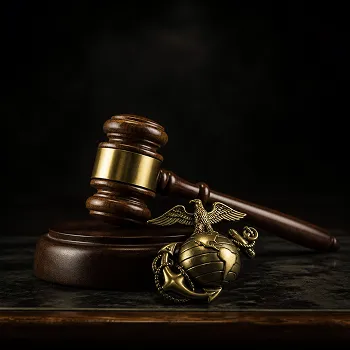
Attorney Robles steps into a case as early as the Article 32 hearing and stays through trial and, if warranted, through an appeal to the Army Court of Criminal Appeals or the U.S. Court of Appeals for the Armed Forces. That level of involvement matters because a general court-martial conviction can mean a dishonorable discharge, forfeited pay, and years behind bars; special and summary courts-martial carry real weight too, just on a smaller scale.

An Army CID case often starts building before you know it exists. By the time you’re asked to give a statement, investigators may already have a theory of what happened. Attorney Robles’s advice is simple: get in touch with a lawyer before you say anything at all.
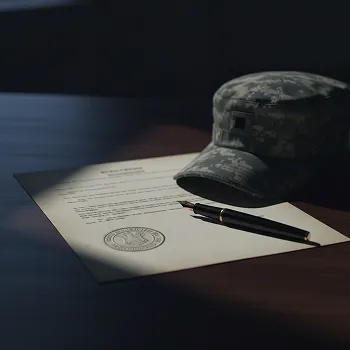
Article 15 gets sold as the fast, easy option. It isn’t always. Losing rank, losing pay, and picking up extra duty are real possibilities, and so is a record that follows you into your next promotion board or reenlistment packet. Attorney Robles lays out the trade-offs between accepting NJP and demanding a court-martial, then fights for the best possible mitigation outcome if you move forward with the hearing.

Sexual assault allegations under Article 120 draw aggressive prosecution, and reputational damage can start well before a verdict does. Attorney Robles runs his own investigation rather than accepting the government’s narrative, and builds the defense around what actually happened.
Worried only about a courtroom? You’re missing half the battlefield. Attorney Robles also represents Fort Hood soldiers facing:
- Boards of inquiry and involuntary separations
- Reenlistment bar appeals
- DOHA hearings and clearance revocations
- ABCMR petitions to correct military records
- NCO and officer evaluation report rebuttals
- GOMOR responses
- AWOL and desertion charges
- Denied VA claims and appeals
- USERRA reemployment violations
Deadlines Don’t Bend for Fort Hood’s Training Schedule
Fort Hood’s rotation cycles don’t pause for a legal problem. Witnesses PCS, evidence goes cold, and the clock on an Article 15 response, a clearance appeal, or an ABCMR filing rarely gives you much room to think it over. That urgency doesn’t stop at the gate, either: if you’re facing possible state or federal charges tied to your time at Fort Hood, talking to a lawyer before you talk to investigators can be the difference between having options and having none.
Frequently Asked Questions
Fort Hood and the Surrounding Central Texas Communities
Attorney Robles represents soldiers, veterans, and military families tied to Fort Hood throughout Central Texas, including Killeen, Copperas Cove, Harker Heights, Gatesville, and Belton, along with service members who’ve since transferred to installations outside the state.