Nelson Robles — A JAG-Trained Advocate for the Fort Carson Community
Legal trouble at Fort Carson rarely waits for a convenient time.
Between the operational pace of the 4th Infantry Division, the specialized demands on 10th Special Forces Group, and the day-to-day discipline that keeps any Army post running, soldiers here face investigations, hearings, and boards that can reshape a career in a matter of weeks.
Nelson Robles has seen that reality from both sides. As a Judge Advocate General’s Corps officer in the U.S. Army, he learned how the system works and has now turned his talents to co-founding Corrao & Robles Law to give soldiers, veterans, and military families access to the kind of defense that comes only from having worked inside the system.
The Difference Between Reading the UCMJ and Living It
Reading the Uniform Code of Military Justice tells you what the rules say. Serving inside the system as a JAG officer teaches you how those rules actually get applied — by investigators building a case, by commanders deciding whether to prefer charges, by panels weighing what they’ve heard. Nelson Robles spent years as an active-duty Army JAG Major learning that second lesson. His credentials include the Judge Advocate Officer Course, the Military Trial Advocacy Course, and the Complex Victim Unit Course, along with the Army Commendation Medal and the Joint Service Commendation Medal — all put to work for Fort Carson soldiers today.
Fort Carson Cases Attorney Robles Takes On
From the training ranges to the boardroom, Fort Carson generates legal issues year-round for the 4th Infantry Division, 10th Special Forces Group, and every soldier stationed nearby. Here’s where Attorney Robles gets involved.
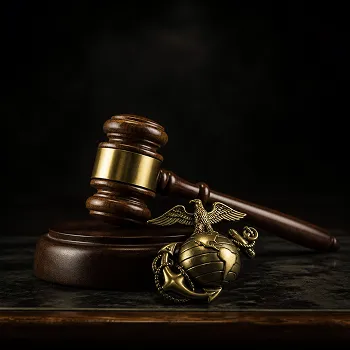
Three levels of court-martial exist for a reason — summary, special, and general — and the general court-martial carries the heaviest exposure, including a dishonorable discharge, total forfeiture of pay, and years of confinement. Attorney Robles takes cases from the Article 32 hearing through trial, and, if the outcome calls for it, through appeal to the Army Court of Criminal Appeals or the U.S. Court of Appeals for the Armed Forces.

Most soldiers don’t find out about a CID investigation until it’s already gathering steam. Once that happens, every statement carries risk. Attorney Robles’s rule for clients is consistent: no interviews, no statements, and no explanations without counsel present first.
Commanders often present Article 15 as a shortcut past a more serious process, but shortcuts have costs — lost rank, lost pay, and a record that can quietly follow a soldier into the next evaluation cycle. Attorney Robles lays out both paths clearly: accept non-judicial punishment, or contest the allegation at a court-martial, then builds the case accordingly.

Article 120 cases get treated as a command priority almost everywhere in the Army, Fort Carson included, and an accusation alone can cause damage well before any finding is reached. Attorney Robles investigates the allegation independently and holds the government to its burden of proof, rather than accepting its version of events.
Not every threat to a career shows up in a courtroom. Fort Carson soldiers also bring Attorney Robles cases involving:
- Involuntary separation boards
- Reenlistment bar challenges
- Clearance revocations and DOHA hearings
- ABCMR record-correction filings
- Evaluation report rebuttals
- GOMOR responses
- AWOL and desertion allegations
- VA disability appeals
- USERRA employment disputes
Why Rush? Because the Army Doesn’t Wait.
Training rotations, deployments to Piñon Canyon, and routine PCS orders can scatter the witnesses and evidence a defense depends on almost overnight. The response window for an Article 15 rebuttal, a clearance appeal, or an ABCMR application is often measured in days, not months, and a missed deadline can close a door for good. The same holds true if a case moves into civilian or federal territory: talking to a lawyer before talking to investigators tends to leave more options on the table.
Frequently Asked Questions
Fort Carson and the Pikes Peak Region
Attorney Robles represents soldiers, veterans, and military families connected to Fort Carson throughout the greater Colorado Springs area, including Fountain, Widefield, Security-Widefield, and Pueblo, along with service members who’ve since moved on to other installations.